The Rise of Robotics in Restaurants: A New Era of Dining
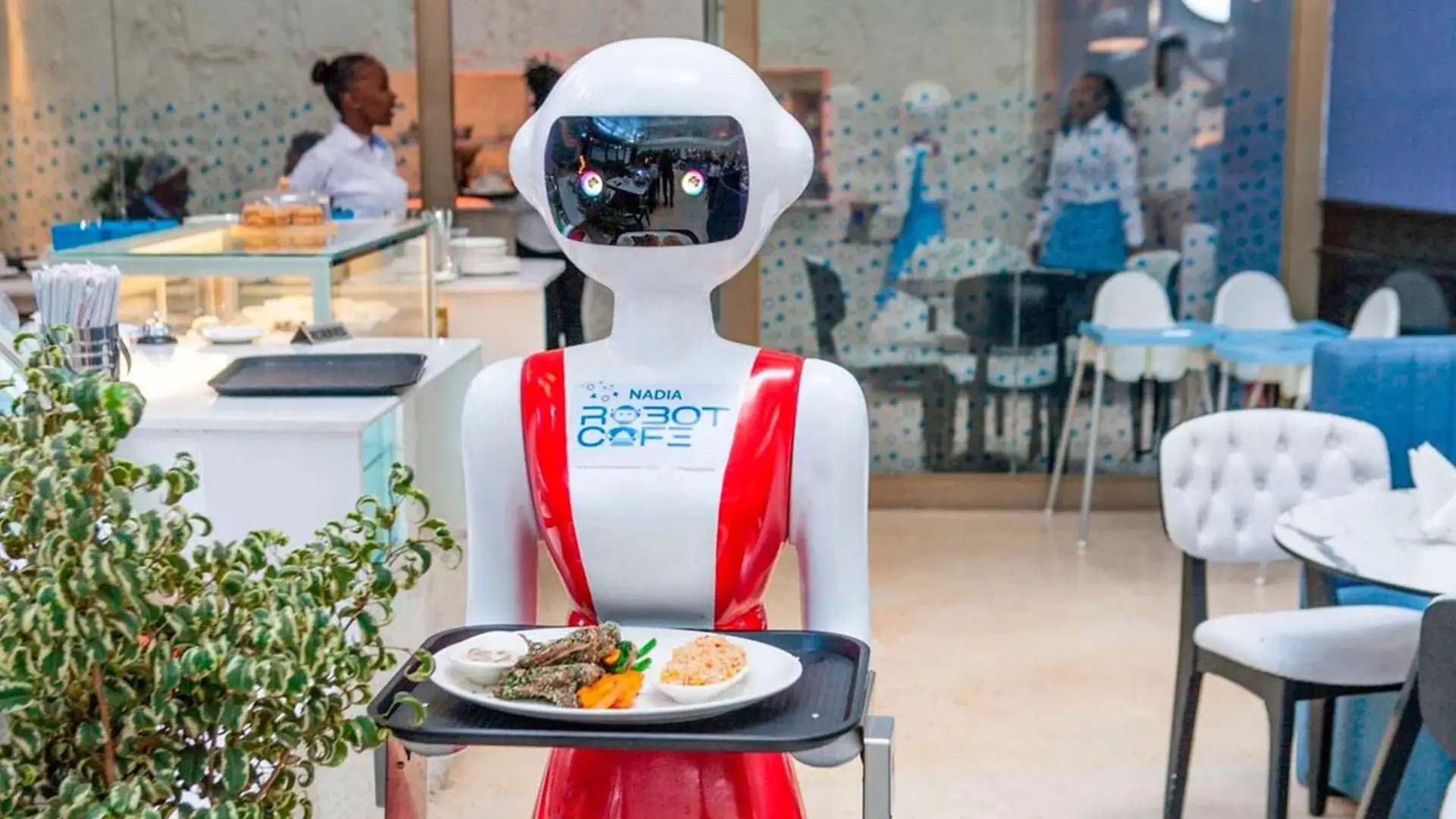
The restaurant industry is undergoing a profound transformation, and it’s not just about innovative dishes or trendy decor. As labor costs rise and the search for skilled workers becomes increasingly challenging, many establishments embrace robotics to streamline operations and enhance efficiency.
Imagine stepping into a restaurant where robots cook your meal, take your order, and even deliver your food—all while a single human oversees the entire operation.
Welcome to the future of dining at Cali Express, a pioneering restaurant showcasing the capabilities of robotic technology.
The Robotic Kitchen: An Autonomous Dining Experience
Cali Express in Pasadena, California, had a temporary pop-up event featuring Flippy, an AI-powered cooking robot from Miso Robotics, but it is not stated as a permanent partnership or the introduction of Flippy in a traditional restaurant setting.
Cali Express in Pasadena is not fully autonomous; at least one employee works with the robots to prep ingredients and assemble food after it is cooked.
Streamlining Operations with Technology
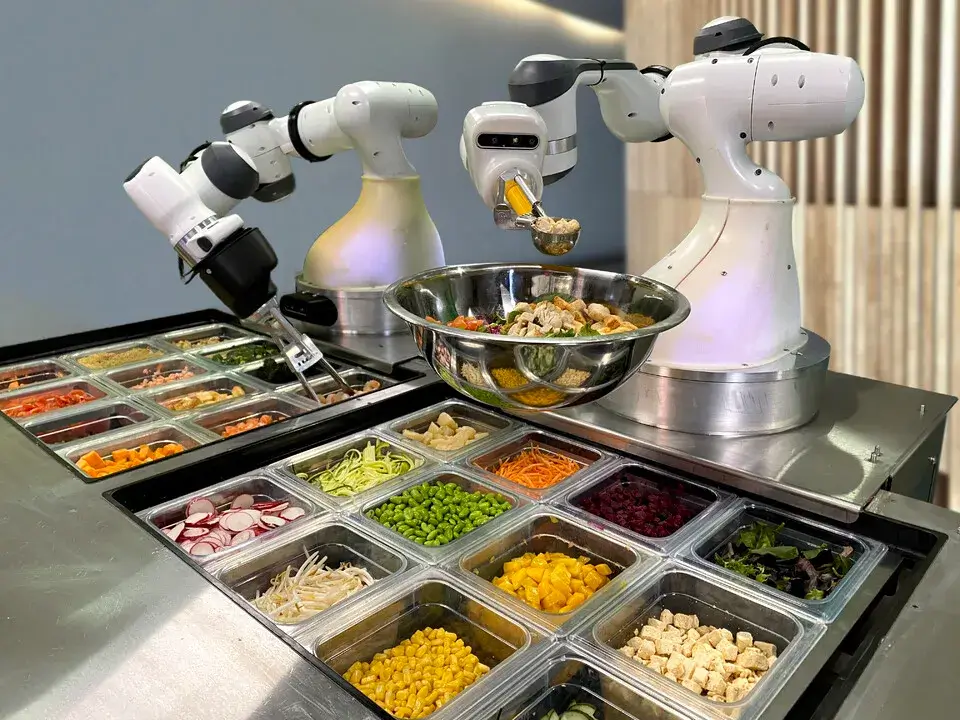
Flippy is equipped with advanced technology to perform multiple tasks simultaneously. It can grill burgers, fry french fries, and even detect when perfectly cooked food. Flippy can operate a fry station independently but still needs human assistance for complex tasks.
Customers place their orders through self-service kiosks, and Flippy takes care of the rest. This reduces wait times and minimizes human error—after all, a robot doesn’t forget to flip a burger or miscalculate cooking times.
Even more impressive is the ability of these robots to manage various menu items at once. Instead of being limited to one task, Flippy can juggle multiple orders, ensuring that everything is cooked just right.
Cali Express is designed to be fully autonomous, but it operates with a small crew in a less stressful environment than competing restaurants, implying that it is not entirely without human oversight.
According to the restaurant’s manager, “The robots are fast. I’m just trying to catch up to them.” This reflects a significant shift in how food can be prepared and served efficiently.
Addressing Workforce Shortages
With over 1.2 million unfilled positions in the U.S. food industry, finding qualified workers has never been more pressing. Many restaurants have had to limit their hours due to staffing issues, making automation an attractive option.
As of February 2024, there are almost 600,000 unfilled positions in the manufacturing industry, not over 1.2 million in the U.S. food industry.
During the past 12 months, unfilled job openings in the restaurants and accommodations sector averaged 1.4 million, which may refer to the overall sector rather than specifically the U.S. food industry.
The average hourly wage for non-supervisory roles in the food industry reached $17.50 in 2023, yet this has not fully resolved the labor shortage.
Companies like Miso Robotics argue that their technology helps alleviate labor shortages rather than replace human workers. By automating repetitive tasks—like frying or grilling—restaurants can free up their human staff to focus more on customer service and enhancing the dining experience.
According to a report by the National Restaurant Association, more than one in three restaurants have had to limit their hours of operation because of staffing issues.
The Economic Case for Robots
As food costs surge and wages rise, restaurants face increasing pressure to maintain profitability. The cost of employing Flippy is significantly lower than hiring staff for the same tasks.
For instance, while a human worker might command a minimum wage of $20 per hour in California, Flippy’s operational costs are considerably lower.
Reports suggest that what once cost $50,000 for installation has now dropped to between $8,000 and $110,000, making it an economically viable solution for many establishments.
Consumer Behavior and Kiosks
Interestingly, studies have shown that customers tend to order more food when using self-service kiosks rather than interacting with a human cashier.
This could be attributed to reduced fear of judgment or embarrassment when ordering additional items—a noteworthy phenomenon for restaurant owners looking to boost sales.
According to research from QSR Magazine, customers are often more comfortable selecting their meals and add-ons when using kiosks.
Safety and Efficiency: A Win-Win Situation
One of the most compelling arguments for introducing robotics into kitchens is safety. Food workers often face hazards like burns, cuts, and slips. The Cali Express manager noted that burns have drastically decreased since switching to robots.
By offloading dangerous tasks to robots, establishments can create a safer working environment while improving efficiency.
The Future of Dining in Autonomous Restaurant: A Dynamic Partnership
While integrating robotics into restaurants raises concerns about job loss, it may also lead to new job opportunities in tech support, maintenance, and customer service roles focused on enhancing the dining experience rather than performing menial tasks.
Expanding Horizons: Beyond Burgers
Robotic technology is not limited to burger joints alone. Chipotle has also experimented with robotics in its kitchens, utilizing machines for repetitive tasks like making tortilla chips.
Miso Robotics emphasizes that its goal is not to replace workers but to assist them in creating a more efficient workflow. Learn more about this initiative in their recent announcement.
Balancing Cost and Quality
The food industry has always been sensitive to consumer costs. With rising wages and increasing operational costs, consumers may have to pay more for their meals. As restaurant owners look for ways to keep prices accessible while paying livable wages, robotics provides a potential pathway forward.
The Consumer’s Role in Embracing Change
As technology continues to evolve, consumers must understand the implications of these changes. Education will play a key role in helping people accept the integration of robotics into their dining experience. Recognizing the cost of food preparation—especially as quality standards remain high—will be essential for maintaining consumer trust.
Conclusion: The Future is Now
Robots are already cooking our food and doing so behind the scenes. While concerns about job displacement are valid, it’s essential to consider the potential benefits that automation can bring—not only for restaurant owners but also for customers who demand fast and safe service.
As we stand on the brink of this technological transformation in dining, one thing is clear: the future of food is being cooked by robots, reshaping how we think about eating out at places like Cali Express.